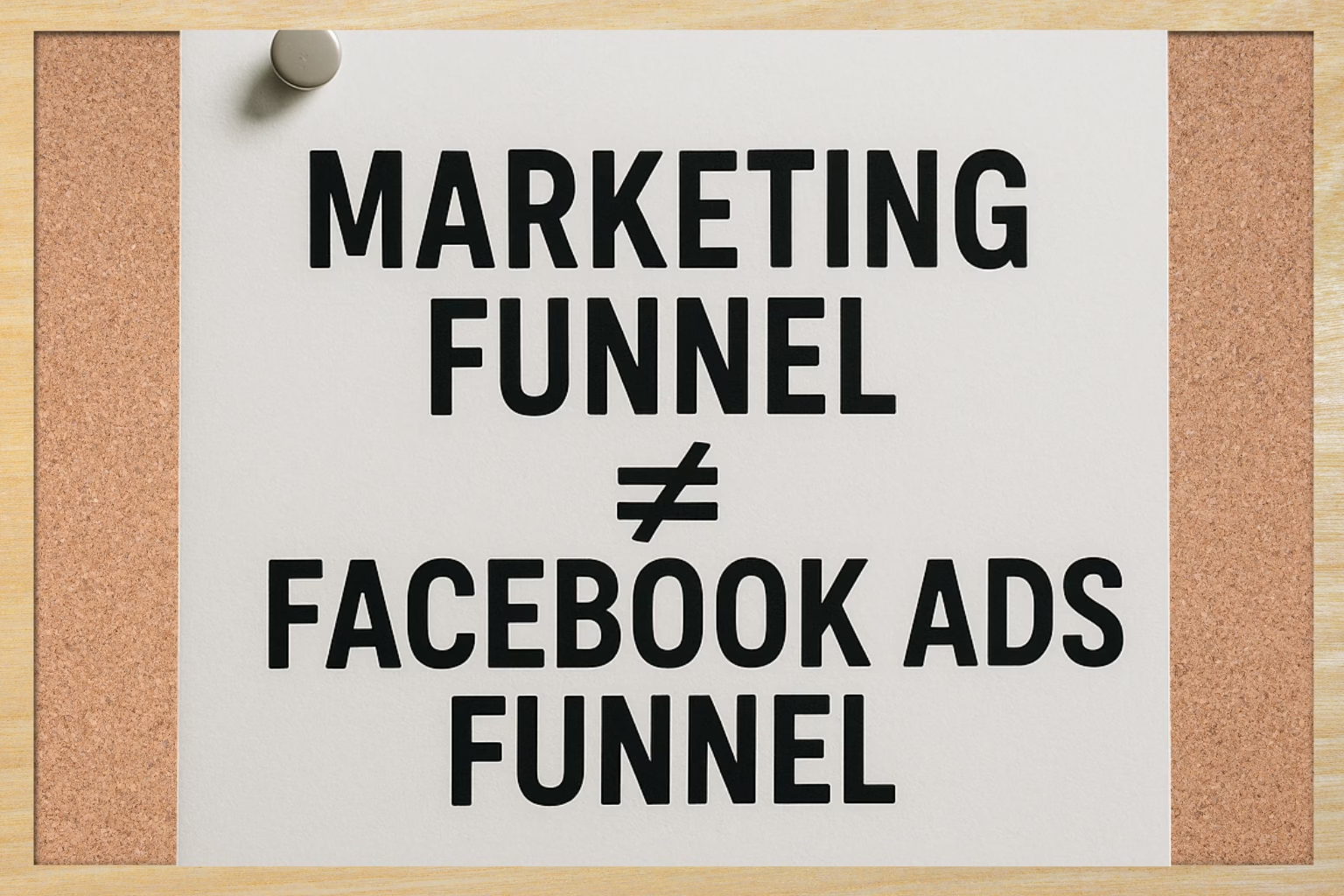
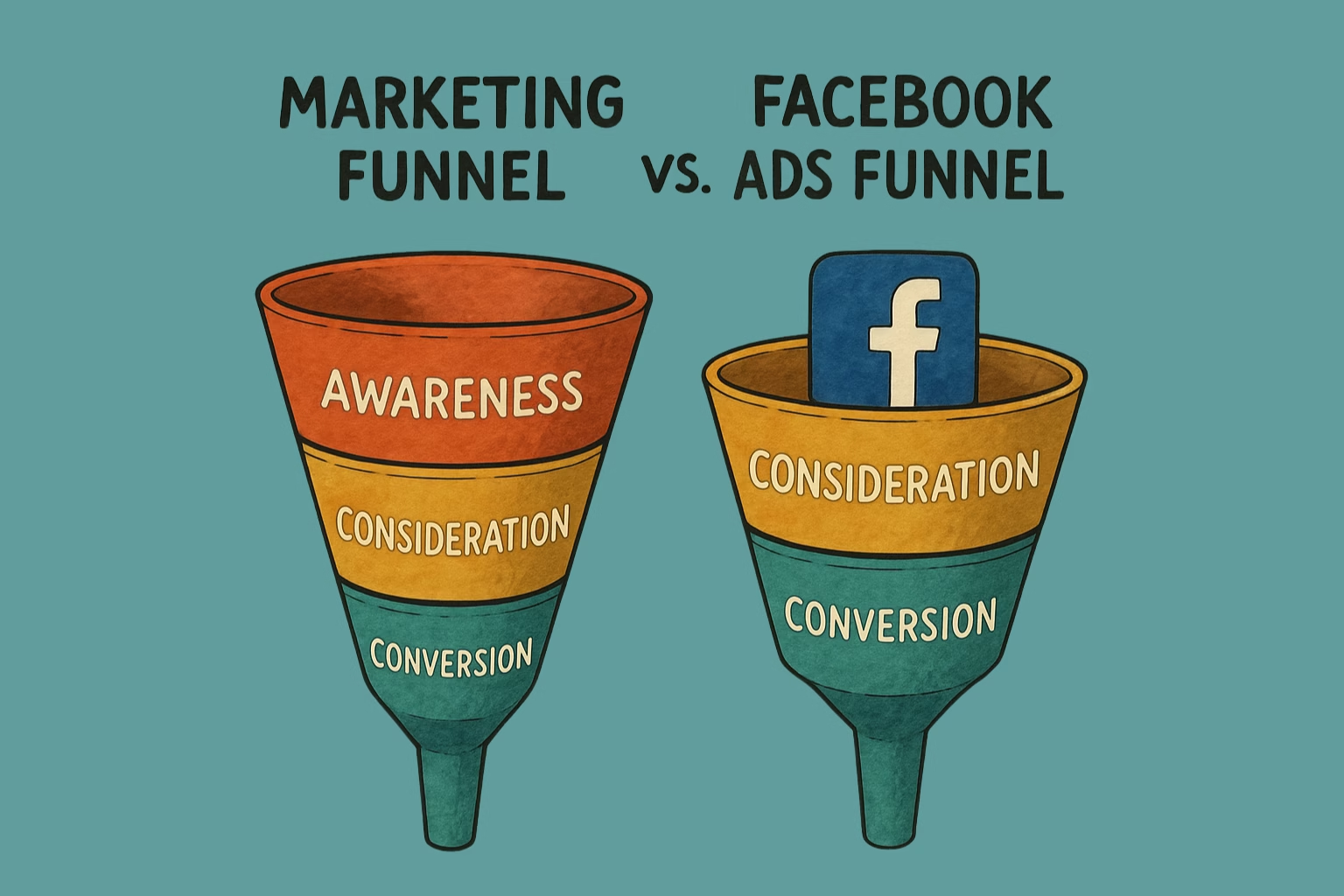
Marketing Funnel vs Facebook Ads Funnel – What’s the Real Difference?
When it comes to online marketing, one of the biggest mistakes beginners make is thinking that a Marketing Funnel and a Facebook Ads Funnel are the same thing. In this blog post, I’ll explain the key difference between the two and why understanding this difference is so important if you want real results from your Facebook ads.
What is a Marketing Funnel?
A Marketing Funnel is the path a potential customer follows before making a purchase. It usually has three main stages:
Awareness – The user doesn’t know about your product or service.
Consideration – The user learns more and starts thinking about your offer.
Conversion – The user takes action (buys something, signs up, or fills a form).
This funnel explains the customer journey — how a person goes from not knowing you to becoming a customer.
The Common Mistake People Make
A lot of people think that because the Marketing Funnel has these three stages, they need to run Facebook ad campaigns in the same order:
First, Awareness Campaigns
Then, Consideration (Engagement) Campaigns
Finally, Conversion Campaigns
But this approach is wrong.
Just because the customer journey starts with awareness, that doesn’t mean your Facebook ad strategy should start with Awareness Campaigns.
A Marketing Funnel is about the user journey — the user starts from Awareness and ends at Conversion.
— Mohd Akram
What You Should Actually Do
If your goal is to get leads or sales, then you should start directly with Conversion Campaigns.
Let me explain why.
When you run a Conversion Campaign on Facebook (Meta Ads), you are telling the platform: “Show my ads to people who are most likely to take action — like filling a form or making a purchase.”
That’s where results come from.
So even if you’re targeting new people (top of the funnel), you should still run a conversion campaign — not awareness or engagement.
How to Use TOFU, MOFU, and BOFU the Right Way
You may have heard these terms:
TOFU – Top of Funnel (cold audience)
MOFU – Middle of Funnel (engaged audience)
BOFU – Bottom of Funnel (ready to buy)
Here’s the right way to use these audiences:
1. TOFU (Top of Funnel)
These are people who don’t know you yet. You can still show them conversion ads. Facebook will find those among them who are likely to convert. ✅ Use broad targeting but optimize for conversions.
2. MOFU (Middle of Funnel)
These are people who already follow you on social media, have watched your videos, or visited your website. ✅ Create custom audiences and show them conversion ads.
3. BOFU (Bottom of Funnel)
These are warm audiences ready to take action — like people who added to cart or showed buying intent. ✅ Show them strong, action-based conversion ads.
Why Awareness and Engagement Campaigns Don’t Work for Leads/Sales
If you run an Awareness Campaign, Facebook will optimize to show your ad to the maximum number of people, but those people may not take action.
If you run an Engagement Campaign, Facebook will show your ad to people who are likely to like, comment, or share — but again, not necessarily convert.
So even if your content or product is great, you might not get results, simply because your campaign objective was wrong.
Final Takeaway
Here’s the golden rule you should follow:
Always run conversion-focused campaigns.
Then, based on your audience (TOFU, MOFU, BOFU), adjust your ad creatives and targeting — but keep the campaign type focused on conversions.
That’s how you’ll actually get leads and sales from Facebook Ads.
I hope this blog helped you clearly understand the real difference between a Marketing Funnel and a Facebook Ads Funnel.
If you’re a beginner, this small change in thinking can save you money and give you better results from day one.